
How to Search Dallas County Marriage and Divorce Records
The two records live in two systems. Marriage records are searched through the County Clerk's official records portal, which includes Marriage as a department. Divorce records are court files, so you search them in the Courts Portal or request copies from the District Clerk.
Match the record to the office before you start. A marriage license or certified marriage copy comes from the County Clerk Vital Records Division. A divorce decree comes from the District Clerk civil and family records desk.
- Marriage records: County Clerk official records search and Vital Records Division.
- Divorce case information: the Dallas County Courts Portal family courts.
- Certified divorce decree: the District Clerk civil and family records desk.
Family court access online is case information only, and files with children's names or sensitive data are restricted. For full case detail, see the Dallas County court records page.
The two offices also sit in different buildings. Vital records, including marriage licenses, are at the Records Building on Elm Street. Divorce files are with the District Clerk at the George Allen Courts Building. So a couple applying for a marriage license and a person requesting a divorce decree are dealing with two separate counters, even though both are Dallas County offices. Confirming the office first saves a wasted trip.
How to Apply for a Dallas County Marriage License
The County Clerk issues marriage licenses at the Vital Records Division. The office sits in the Records Building on Elm Street and serves many cities in the county. Both parties must appear together. The process is quick, but the timing rules matter, since a license has a waiting period and an expiration date. The office reports issuing over 18,000 marriage licenses each year, so it handles a high volume of applicants.
- Both parties appear in person before the County Clerk.
- Show proof of identity and age with an accepted ID.
- Provide the application information and mark the required boxes.
- Take the oath on the application and sign before the clerk.
- Pay the license fee by an accepted method.
- Wait 72 hours, then marry within 90 days of issuance.
The officiant must record the date, county, and names, sign the license, and return it to the County Clerk no later than 30 days after the ceremony. A district judge can waive the 72-hour wait.
Texas allows a broad set of officiants. The county FAQ lists licensed or ordained Christian ministers and priests, Jewish rabbis, officers of authorized religious organizations, and a wide range of current or retired Texas and federal judges. That includes district, county, probate, county court at law, juvenile, justice of the peace, and municipal judges. So couples have many options for who can perform the ceremony.
Marriage License Requirements and ID
The County Clerk accepts several forms of identification, but damaged IDs are refused. Torn, taped, or laminated documents are not accepted. The accepted forms include the following.
- A driver's license or ID card from Texas or another state.
- A U.S. passport or a current foreign passport.
- An original or certified birth certificate printed within the last 10 years, plus a valid government ID.
- A military ID.
An absent applicant affidavit is available only in specific cases and not for an informal marriage license. It must be notarized, use blue or black ink, and carry no whiteout or markouts. A proxy must be present to purchase the license.
Marriage License Application Items
The application gathers a set of items from both parties. The table below maps what the form and the clerk require, drawn from the County Clerk's official requirements.
| Application Item | Detail |
|---|---|
| Applicant identities | Both parties' names and information. |
| Proof of identity and age | An accepted ID for each applicant. |
| Application information | Required fields completed on the form. |
| Required boxes | Boxes marked as the form directs. |
| Oath and signatures | Oath taken and signed before the clerk. |
| Absent applicant affidavit | Only if one party cannot appear, with a notary. |
A Twogether in Texas premarital course certificate lowers the fee when presented at the downtown office.
Marriage and Vital Records Fees
The County Clerk sets fixed fees for marriage and vital records. The marriage license amount differs slightly between the fee page and the FAQ, so confirm the current figure before you go. Payment is by cash, money order, cashier's check, business check, or card, but personal checks are not accepted.
| Item | Amount |
|---|---|
| Marriage license without certificate | $80.00 (FAQ lists $81.00; verify) |
| Marriage license with Twogether certificate | $21.00 |
| Informal marriage license | $46.00 |
| Marriage license search / certified copy | $10.00 |
| Birth certificate search / certified copy | $23.00 |
| Death certificate, first copy | $21.00 |
| Additional death certificate | $4.00 |
The County Clerk vital records fee page lists the current amounts. For more on the County Clerk, see the Dallas County County Clerk page.
Filing for Divorce in Dallas County
Divorce is a district court case handled by the District Clerk. The clerk strongly suggests hiring an attorney, though state law allows self-representation. The clerk cannot give legal advice, and a filing error can cause a dismissal or extra fees with no refund.
Self-represented filers have free options. Dallas County offers an Uncontested Divorce Without Children through Texas Guide & File. You create an account at the state self-help portal, watch the intro video, choose the divorce-without-children forms, and complete a guided interview to prepare your forms for e-filing. You can also paper-file at the Pearl C. Smith Civil File Desk on the first floor west of the George Allen Courts Building, or e-file at no cost.
The shortest divorce timeframe the District Clerk lists is 61 days, but service, children, property, and contested issues can extend a case well beyond that.
Getting a Certified Divorce Decree
A certified divorce decree comes from the District Clerk civil and family records department, not the County Clerk. The records desk is in the George Allen Courts Building basement. You can request a copy in person, by mail, or with the divorce decree request form.
District Clerk - Civil/Family Records
600 Commerce Street, Basement West
Dallas, TX 75202
(214) 653-6076
Mon-Fri 8:00 a.m.-4:30 p.m.
Email requests can go to DCRecords@dallascounty.org with the request form attached. Staff will quote the exact copy cost before you pay. Records requests made after 4:00 p.m. are handled the next business day, so plan ahead if you need a same-day copy. Appeals from a divorce go to the Fifth Court of Appeals in Dallas and, in some cases, the Supreme Court of Texas, and the clerk notes that appeals usually need specialized legal help.
Confidential and Related Family Records
Family files often hold sensitive information, so several statutes limit access. Records with children's names are kept off the public web. Juvenile court records are confidential under Texas Family Code Chapter 58.
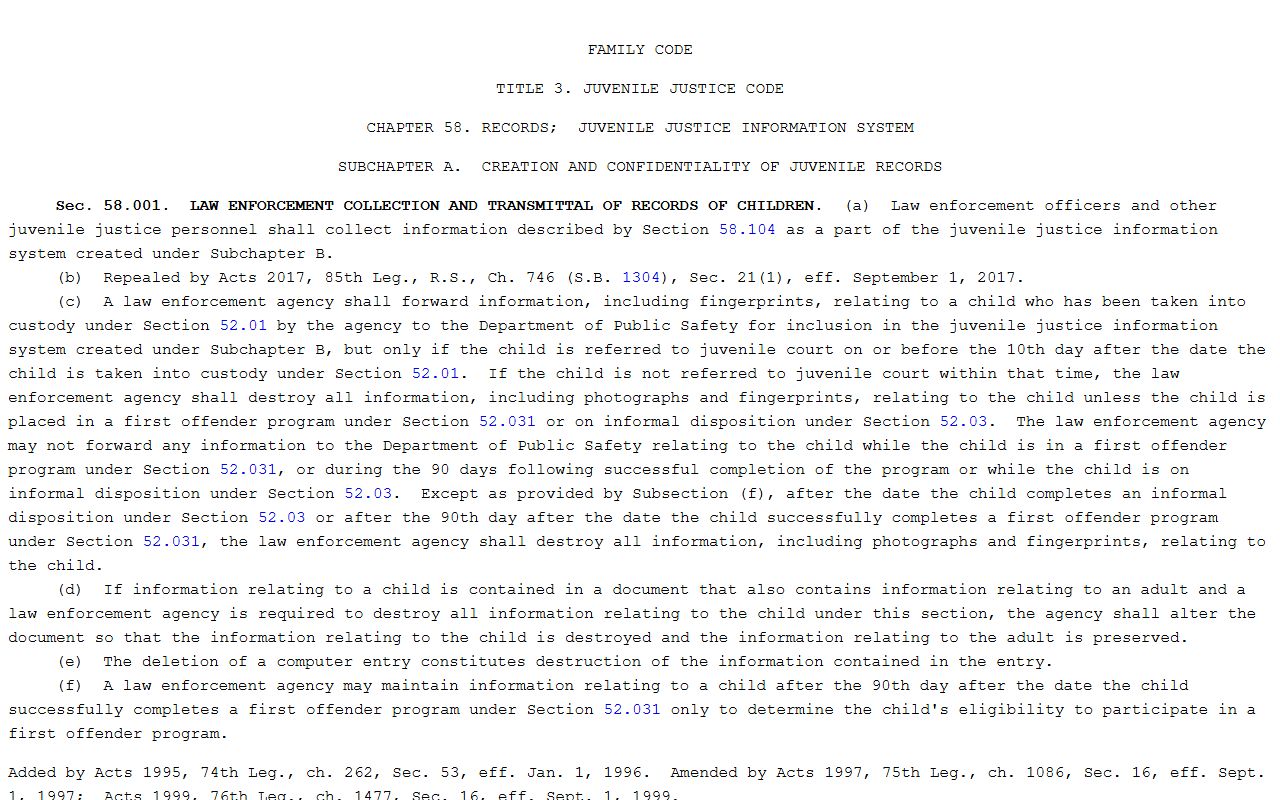
The Texas Family Code Chapter 58 covers juvenile justice records and sealing. Mental health matters that touch a family case are protected too.
Under Texas Health and Safety Code Chapter 611, mental health records are confidential. Background and criminal history can also come up in custody disputes, which is a state DPS function.
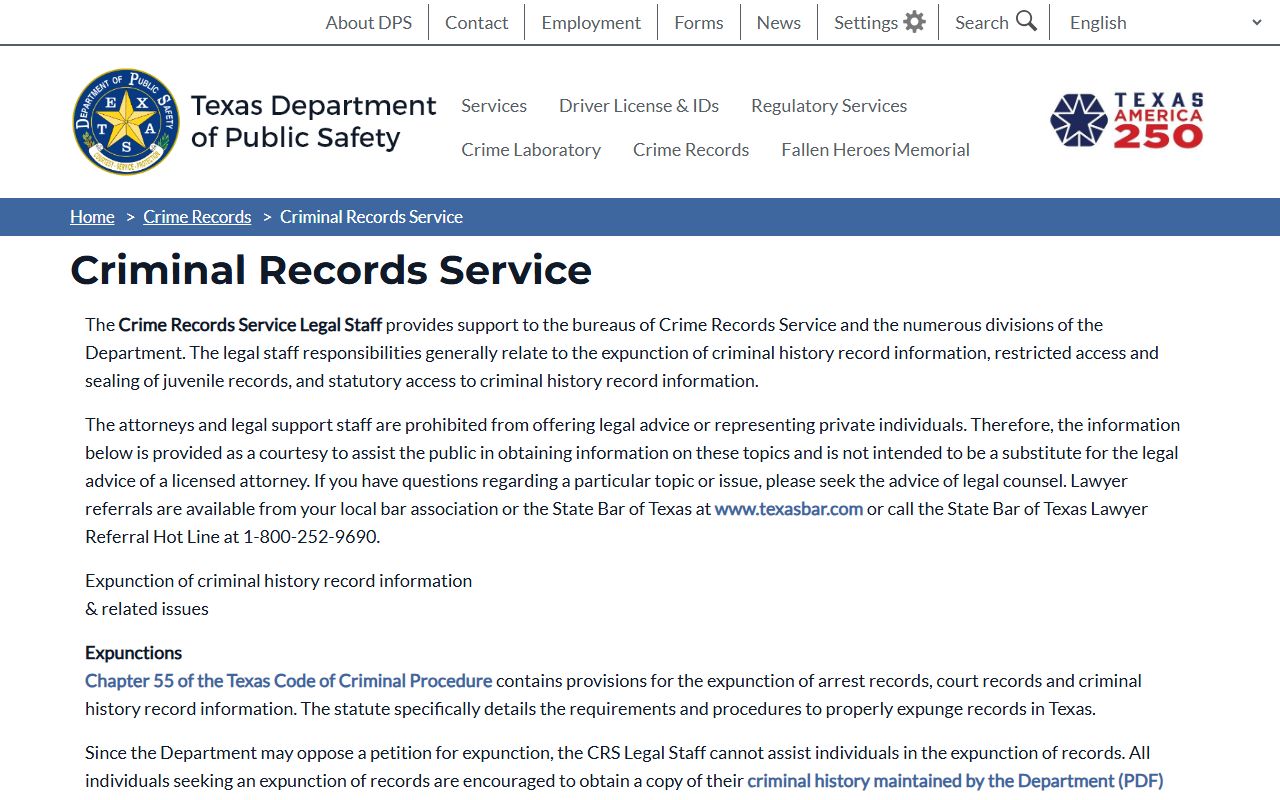
The Texas DPS Criminal Records Service handles criminal history, which can matter in a family case. The state also runs a sex offender registry used in safety reviews.
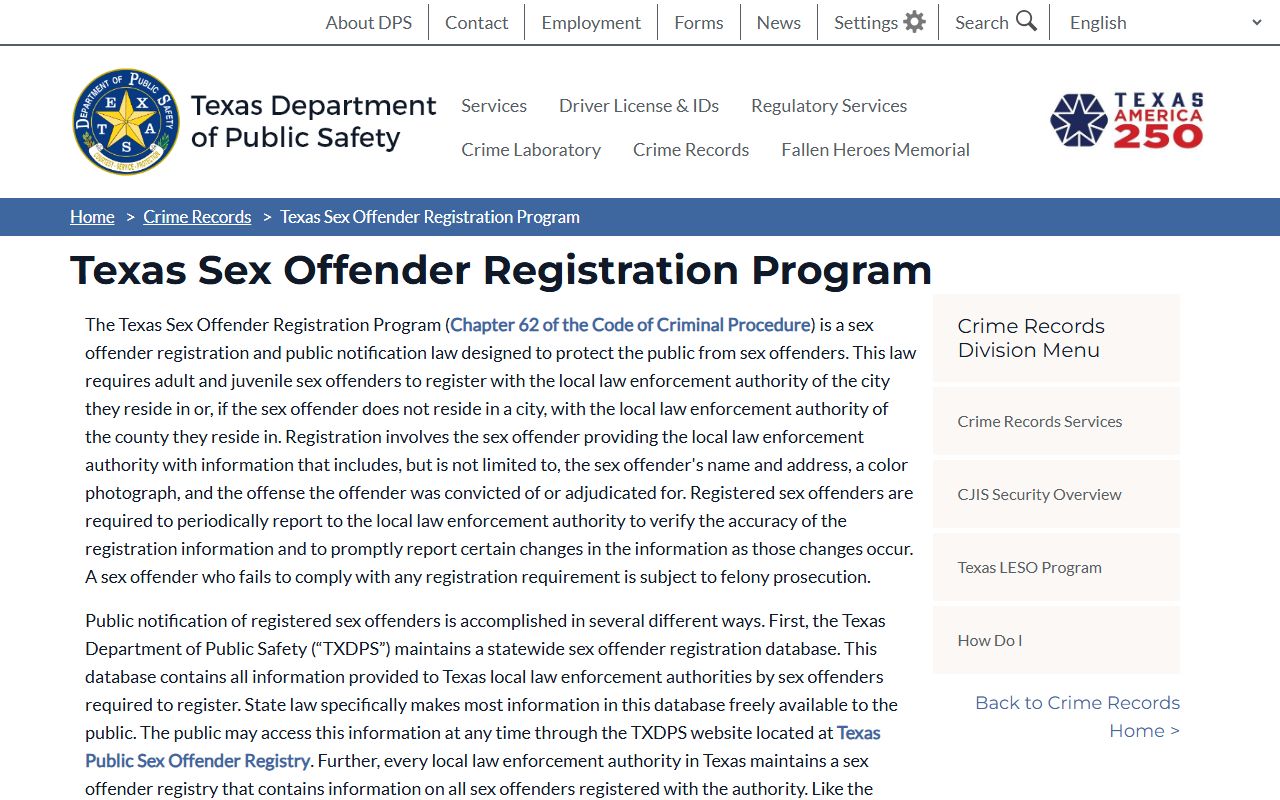
The DPS sex offender registration program is a public-safety resource sometimes used in custody and protective matters.
Note: Recent birth records within 75 years and death records within 25 years are released only to qualified family members, a guardian, or a legal representative.