
How to Search Dallas County Warrants
The county tool is Dallas County Wanted. It searches county warrant data, including people with open warrants and scofflaw registration blocks. The search is free, and you can run it several ways. A name search is the most common, but a citation or case number is more precise when you have one.
Use these steps to run a warrant search:
- Open the Dallas County Wanted search page.
- Search by name, ZIP code, case number, citation number, or license plate and VIN.
- Use the demographic filters for race, sex, or year of birth to narrow a common name.
- Check the boxes for people with warrants only or scofflaw blocked only.
- Open a listing to see the balance, warrant flag, and scofflaw flag.
For jail and warrant questions, the Sheriff's warrant information line is (214) 761-9026. To confirm custody after an arrest, see the Dallas County inmate records page.
Dallas County Warrant Search Fields
The wanted search exposes a set of fields and several search buttons. You only fill the fields tied to the search you pick. The table below lists what the form offers.
| Field Label | Type | Required | Notes / Format |
|---|---|---|---|
| First Name / Last Name | Text | Yes for name search | Up to 65 characters each. |
| Zip Code | Text | For ZIP search | Five digits, numbers only. |
| Case Number | Text | For case search | Up to 20 characters. |
| Citation Number | Text | For citation search | Up to 20 characters. |
| License Plate or VIN | Text | For plate or VIN search | Up to 22 characters. |
| People with warrants only | Checkbox | No | Limits results to open warrants. |
| People scofflaw blocked only | Checkbox | No | Limits results to registration blocks. |
| Race / Sex / Year of Birth | Dropdown / Text | No | Demographic filters to narrow a search. |
Search buttons include Search By Name, By Zip Code, By Case Number, By Citation Number, By License Plate or VIN, and By Demographic Information.
Types of Dallas County Warrants and Blocks
Not every listing is a criminal warrant. Some are court orders, some are citation matters, and some are only money blocks. Sorting the type tells you who to call.
- Arrest warrant - a judicial order to arrest a person, often in a criminal case.
- Capias - a writ to arrest, commonly issued after a missed court date.
- Capias pro fine - a warrant to bring a person to court over an unpaid fine or cost.
- Scofflaw block - a vehicle registration freeze for past-due city or county money.
- JP or municipal citation - a fine-only matter handled by a precinct or city court.
The wanted system mixes these functions, so a listing can show a warrant, a scofflaw flag, or a balance without a full case file behind it. This is unusual: one portal blends criminal warrants, citation balances, license plate and VIN lookups, photos, and registration blocks. Reading the flags on a listing tells you whether you face an arrest warrant, a fine-only matter, or only a money block on a vehicle.
What a Dallas County Warrant Record Shows
A wanted listing returns a compact set of fields. The Top 50 result list and detail entries commonly show the items below.
| Field | What It Shows |
|---|---|
| Name | Last, first, and middle, often linked to a detail page. |
| Address / City | City and partial address line. |
| Date of Birth | Month and year; some entries show placeholder values. |
| Race / Sex | Code values such as W, B, or U. |
| Outstanding Balance | The dollar amount owed. |
| Warrant / Scofflaw | Flags showing an open warrant or a registration block. |
Placeholder data appears often, like a birth year of 1809 or an unknown code, so confirm a match with the issuing court before acting. A name match alone is never proof, since two people can share a name and date of birth. Use the case or citation number to lock down the right person, and treat the balance and flags as a lead, not a verdict.
Scofflaw and Vehicle Registration Blocks
A scofflaw block is not a warrant. Texas Transportation Code § 502.185 lets the county freeze a vehicle registration when a person owes a city or county a past-due fine, fee, or tax. The block stops you from renewing the registration until the debt is paid.
To clear a block, pay all outstanding fines and fees, then visit a tax office location. If you are making payments, the listing stays up until the balance hits zero or the case is disposed. After payment in full, removal from the wanted website takes at least seven business days. You can read Texas Government Code Chapter 552 for the public information framework that supports these county lookups.
Disputes work differently from payments. If you believe a listed citation is wrong, the county wanted FAQ says to call or visit the local municipality or entity that issued it, using the city payment maps or the JP office. The county does not resolve a city citation dispute for you, because the issuing court controls the case. The same FAQ explains how scofflaw, vehicle registration blocks, and removal timing work.
What to Do About an Outstanding Warrant
An open warrant does not fix itself, and ignoring it can lead to arrest. The right first step depends on the type. For a criminal warrant, talk to an attorney or the court before you appear. For a citation, contact the court that issued it.
- Identify the type from the listing: criminal warrant, capias, citation, or scofflaw block.
- For a criminal warrant, contact an attorney or the court that issued it.
- For a citation, call or visit the municipality or JP office that issued it.
- Pay fines only through official city, county, or JP channels.
- After payment or disposition, allow at least seven business days for the listing to clear.
A capias pro fine is worth special care. It is issued when a fine or court cost goes unpaid, and it can lead to an arrest over money rather than a new crime. Clearing it usually means resolving the balance or appearing before the court that issued it. Never assume a warrant has cleared just because you paid; confirm with the court, then watch for the listing to update. Felony cases run through the District Attorney's office, which prosecutes on behalf of the county.
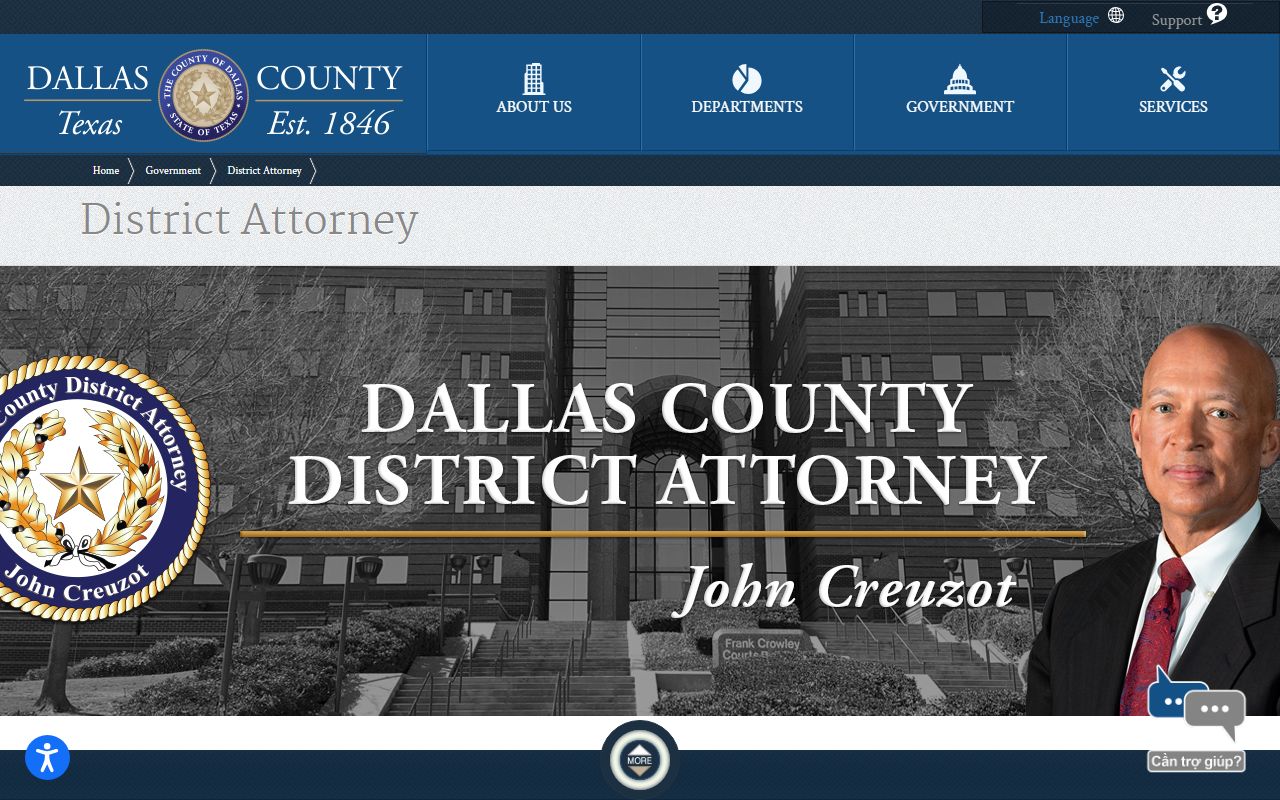
The Dallas County District Attorney handles felony prosecution, which is the office behind many serious warrants.
Specialty Court Options for Eligible Defendants
Some people with criminal cases qualify for a treatment court instead of standard prosecution. These programs can change how a case, and the warrant behind it, is resolved. The Dallas County Veterans Court is one example.
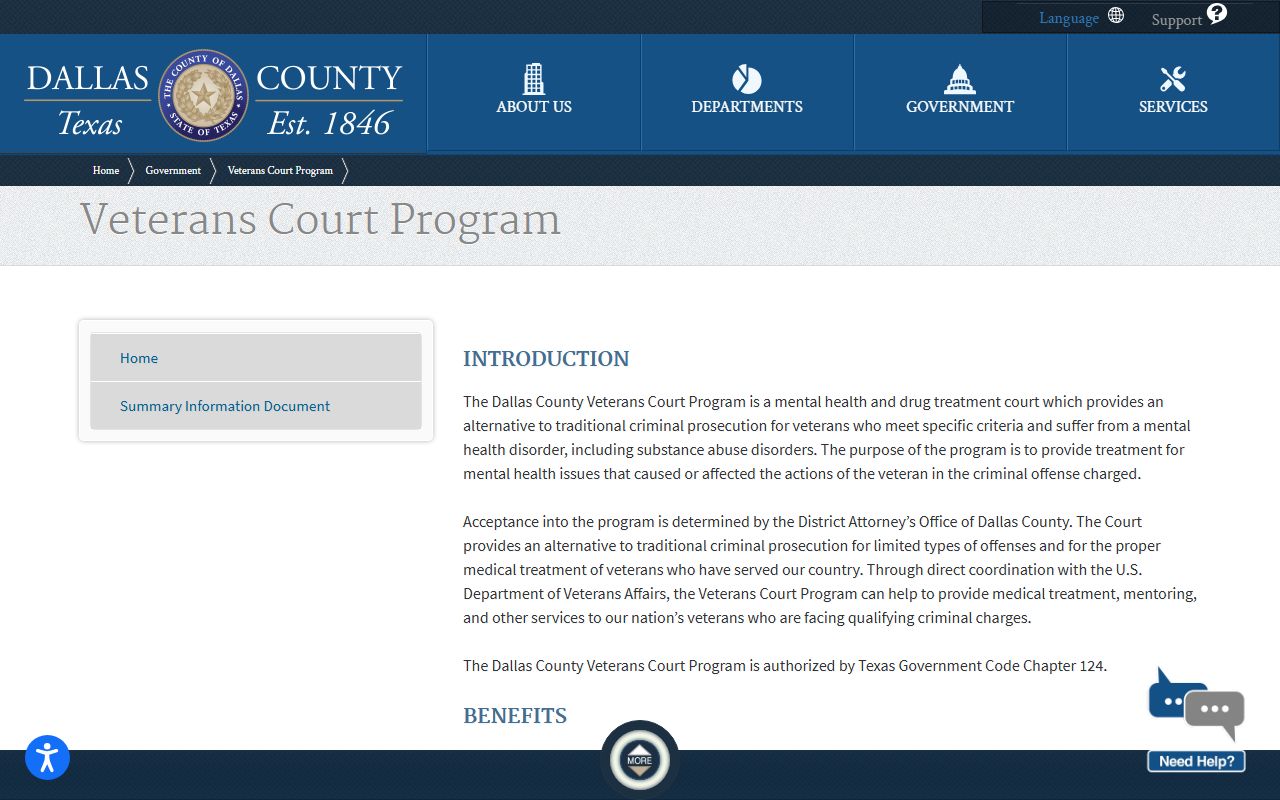
The Dallas County Veterans Court offers an alternative for eligible veterans with a mental health or substance disorder. Other specialty courts cover mental health, DWI, and drug cases. For more on these, see the arrest records page.
The Court System Behind Dallas County Warrants
Warrants come from courts, so it helps to know the structure. Texas courts range from justice and municipal courts up through district courts and the appellate courts. The Texas Judiciary overview maps the whole system.
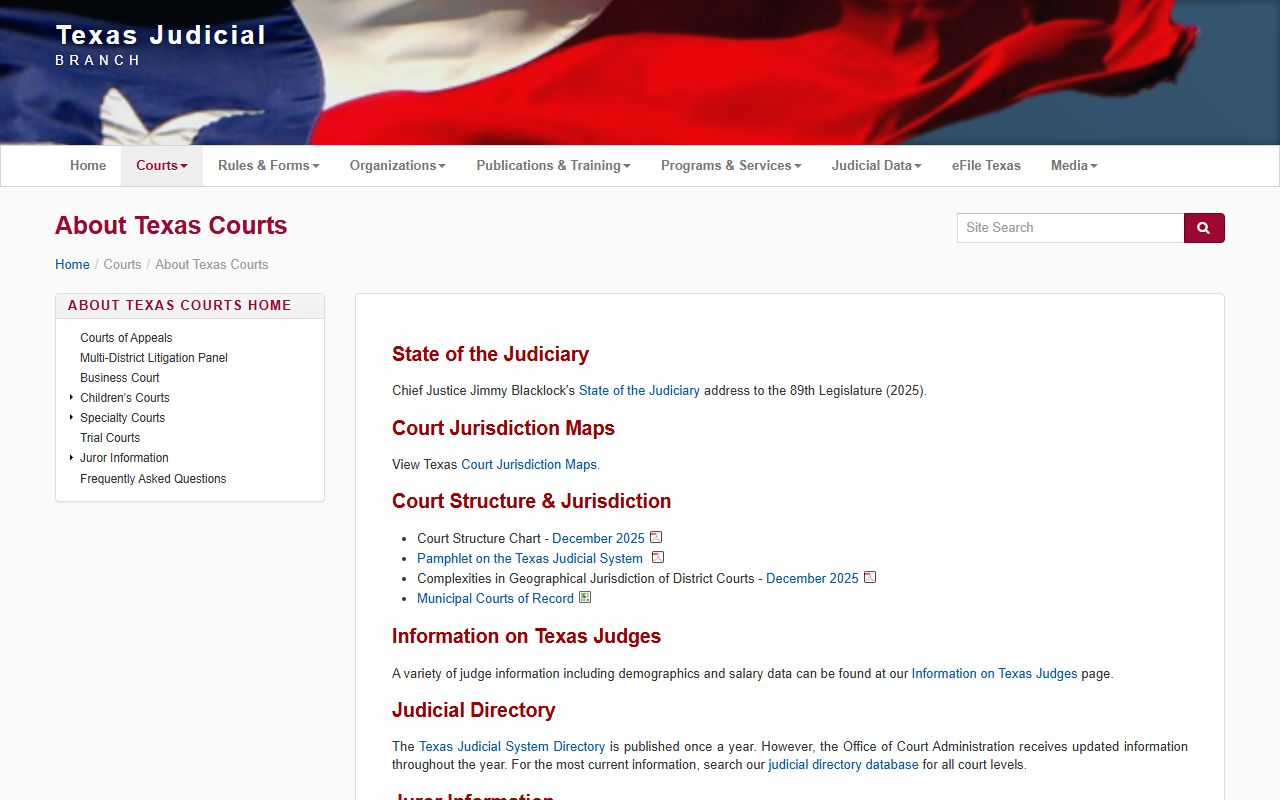
The Texas courts overview explains how the system fits together. Trial courts issue most warrants.
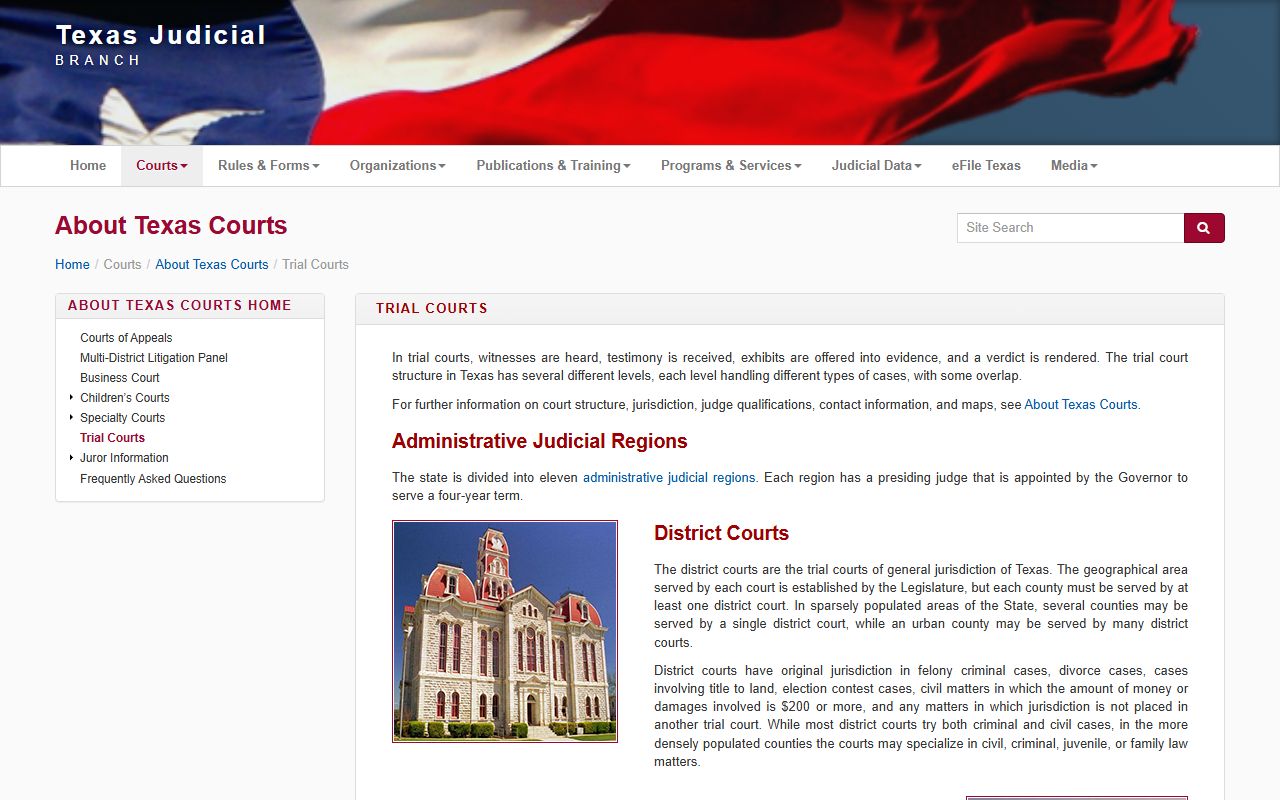
The trial courts page covers district, county, JP, and municipal courts. Appeals move up to the courts of appeals.
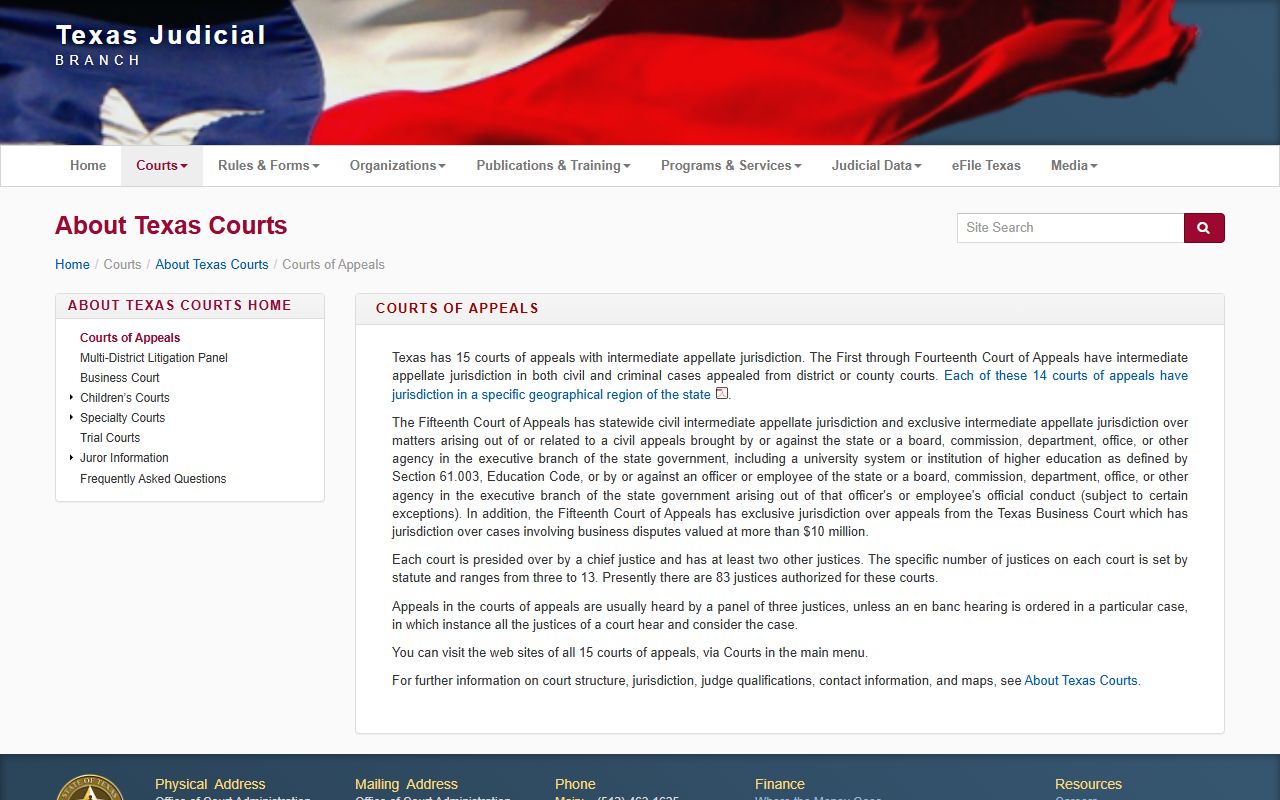
The courts of appeals page describes the intermediate appellate level, including the Fifth Court of Appeals in Dallas.
Crime Stoppers and Tips
The county also takes tips on wanted people. You can call the Dallas County Sheriff's Office at (214) 653-3530 or use Crime Stoppers to report a tip. The wanted FAQ explains how listings work and when they update. It also notes that a case stays listed while payments are in progress and clears only when the balance reaches zero or the case is disposed.
If you find your own name on the list, do not panic. Confirm the issuing court, get the case or citation number, and contact that office directly. For a criminal matter, legal help is wise before you appear. Acting early often gives you more options than waiting until an arrest.
Note: A wanted listing can show placeholder or out-of-date data, so confirm any match with the issuing court before you rely on it.